Understanding Ramadan: Key Facts for the Leeds Community
February 18, 2026What is Ramadan and how is it observed?
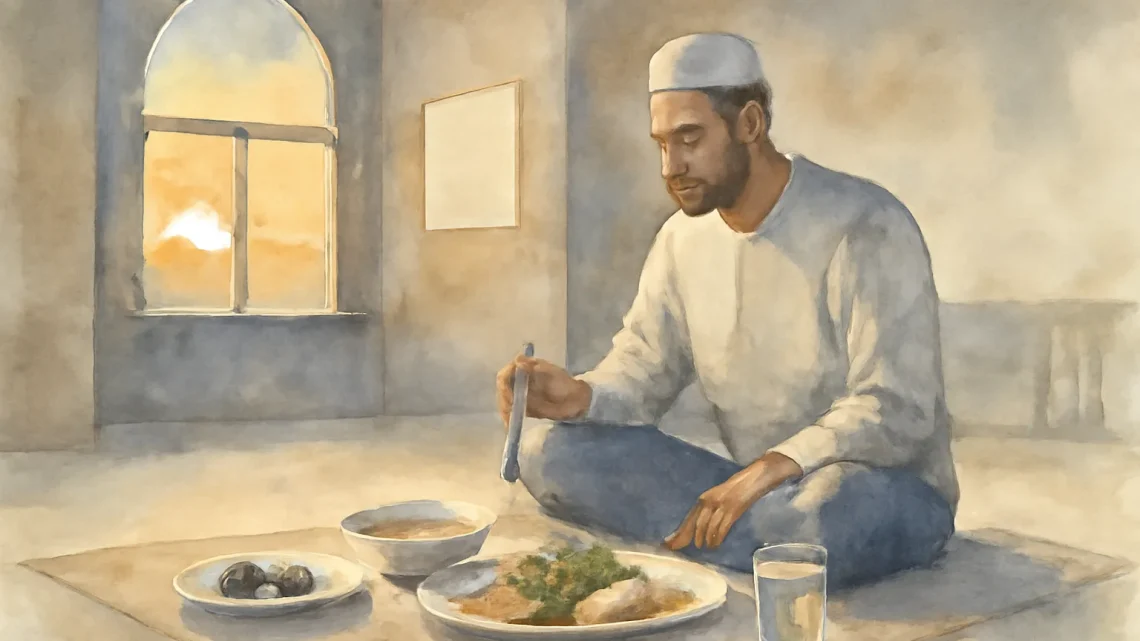
Ramadan is a significant month for Muslims worldwide, including many students and staff at the University of Leeds. It involves fasting from dawn until sunset each day for approximately 29 to 30 days. During this time, Muslims abstain from consuming any food or drink, including water, from the pre-dawn meal (Suhoor) until the evening meal (Iftar) at sunset.
The fast is a spiritual practice aimed at self-discipline, reflection, and community bonding. While the practice may seem challenging to those unfamiliar with it, many find that the body adjusts within a few days. Research indicates that fasting can have benefits for both physical health and mental well-being.
Who is exempt from fasting?
Islamic teachings provide exemptions for certain groups who may find fasting difficult or harmful. These include:
- Elderly individuals who are too weak to fast
- People with medical conditions or illnesses
- Pregnant or breastfeeding women, and women during menstruation
- Those travelling long distances
- Children who have not yet reached puberty
Those unable to fast for legitimate reasons are not required to make up the missed days but may instead contribute to charity or provide meals for those in need. Therefore, seeing someone eat during daylight hours in Ramadan does not necessarily indicate they are breaking the fast without reason.
Daily routines and social considerations during Ramadan
Muslims fast during daylight hours but eat, drink, and rest at night. Some students adjust their daily schedules by taking short naps or planning study sessions to manage energy levels throughout the day.
It is perfectly acceptable to eat around someone who is fasting. Muslims do not expect others to stop eating in their presence. However, being considerate by not offering food or drink to those fasting is appreciated. For some, being around food can even be a source of comfort as they anticipate the evening meal.
Supporting Muslim friends during Ramadan
There are several ways to support Muslim friends and colleagues during Ramadan, including:
- Joining in communal Iftar meals where possible
- Avoiding scheduling early morning meetings to accommodate altered sleep patterns
- Being understanding of potential changes in energy or mood
- Approaching questions about Ramadan with respect and sensitivity, recognising that some may prefer not to discuss their practices
Ramadan is viewed by many as a privilege and an opportunity for spiritual growth rather than a hardship. Kindness and curiosity are encouraged as the best ways to foster understanding within the community.