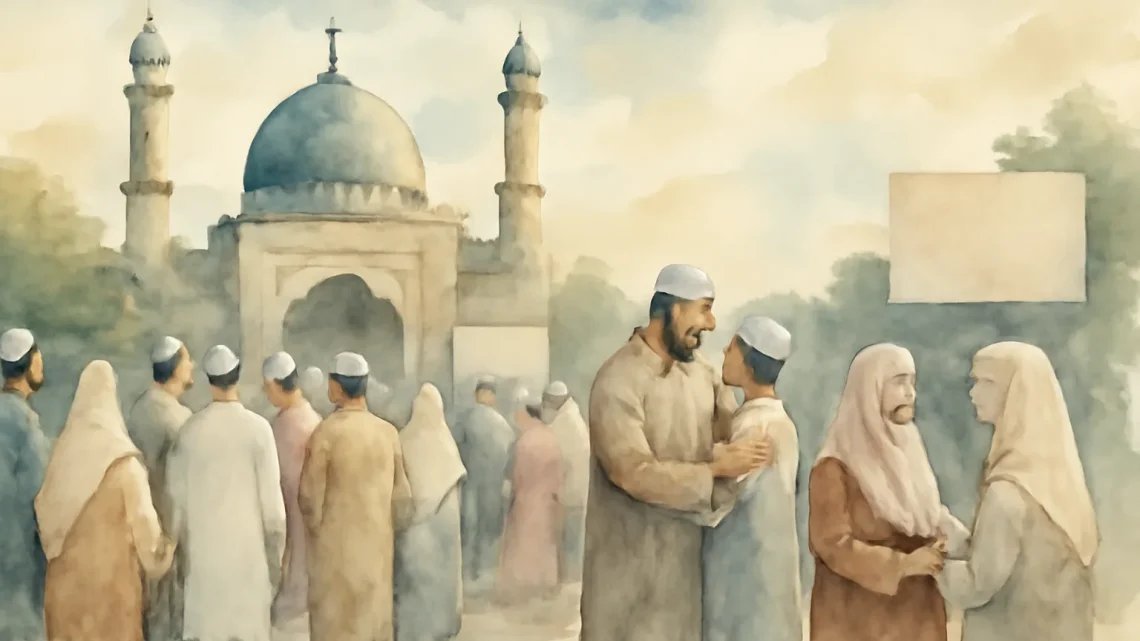
Eid al-Fitr Marks End of Ramadan with Community Celebrations
March 13, 2026Muslims prepare to observe the Festival of Breaking the Fast in late March 2025
Eid al-Fitr, one of the two major Islamic holidays, will be observed by Muslims worldwide at the conclusion of Ramadan, the holy month of fasting. This year, the festival is expected to fall on either Sunday 30th March or Monday 31st March 2025, depending on the sighting of the new moon.
Significance and Timing of Eid al-Fitr
Eid al-Fitr, meaning “Festival of Breaking the Fast,” marks the end of Ramadan, the ninth month in the Islamic lunar calendar. During Ramadan, Muslims fast daily from dawn until sunset as an act of worship and spiritual reflection. The festival occurs on the first day of Shawwal, the tenth month of the Islamic calendar, with its exact date varying annually according to lunar observations.
This celebration is distinct from Eid al-Adha, the other major Islamic festival, which takes place during the month of Dhul Hijjah and commemorates the willingness of Prophet Abraham to sacrifice for God.
Customs and Practices Observed on Eid al-Fitr
The day of Eid al-Fitr is marked by various traditions and practices rooted in Islamic teachings and cultural customs. These include:
- Eid Prayer: Muslims gather for a special congregational prayer, typically held in mosques or open spaces, emphasising community solidarity. It is customary to take a different route home after the prayer.
- Wearing New or Best Clothes: Many wear new or their finest clothes and perform ritual ablutions to mark the occasion.
- Visiting Family and Friends: Social visits and shared meals featuring traditional dishes are common, with regional variations in food.
- Exchanging Greetings and Gifts: The traditional greeting “Eid Mubarak” (Blessed Eid) is exchanged, and children often receive gifts or money known as “Eidi.”
- Charitable Giving: Muslims are required to pay Zakat al-Fitr, a form of charity given to those in need before the Eid prayer, reflecting the festival’s emphasis on generosity.
Supporting Muslim Community Members During Eid
For those not observing Eid, showing respect and support to Muslim friends and colleagues can foster inclusivity. Simple gestures such as offering warm greetings like “Eid Mubarak” or “Happy Eid” are appreciated. Acknowledging the significance of the holiday and expressing interest in celebrations can help build understanding and community spirit.
Eid al-Fitr is a time of gratitude, unity, and reflection, reinforcing values of faith, compassion, and generosity. As communities come together to mark this important occasion, it serves as a reminder of the importance of kindness and support for those in need.