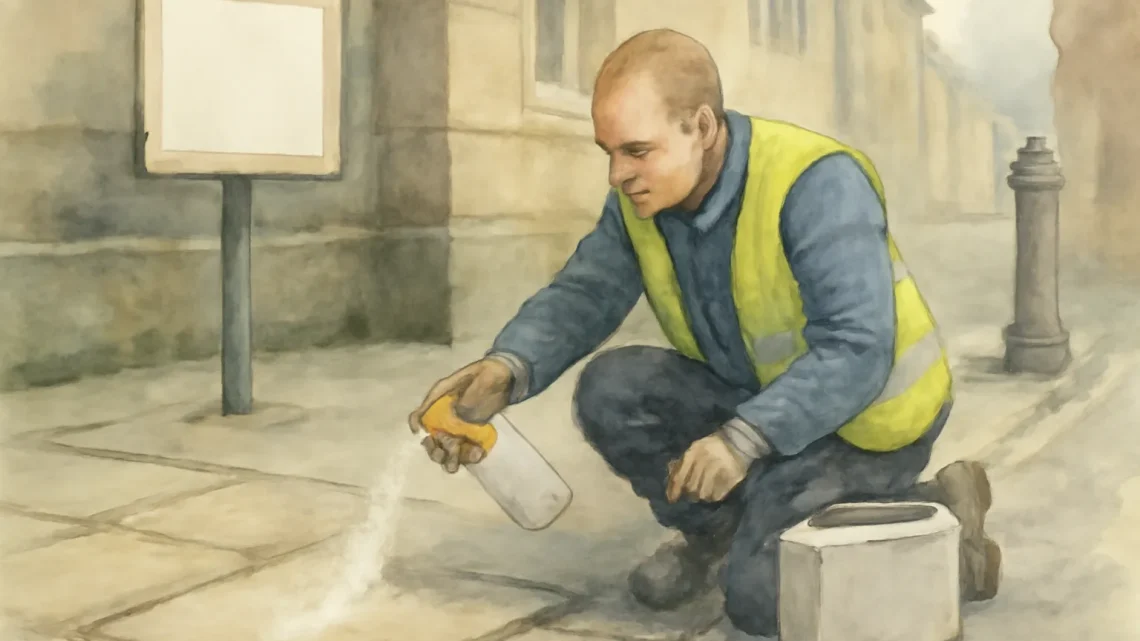
Leeds Trials New Technology to Prevent York Stone Theft
March 24, 2026Council introduces forensic DNA marking to protect historic paving
Leeds City Council has begun testing a new method to deter the theft of York stone paving slabs, which are an important part of the city’s historic streetscape. The trial involves the use of a forensic DNA marking system designed to make stolen stone easier to identify and recover.
York Stone and Its Vulnerability
York stone, a type of sandstone known for its durability, features prominently in many of Leeds’ older neighbourhoods, helping to preserve the area’s heritage character. However, it has frequently been targeted by thieves, causing damage to public pathways and creating safety risks for pedestrians.
Details of the DNA Marking Technology
The technology being trialled is called SelectaDNA. It uses a combination of unique forensic DNA and metal microdot markers that can be applied quickly using an aerosol spray. These markers are invisible to the naked eye but can be detected with ultraviolet lights or microscopes.
- The forensic markers are designed to last indefinitely without deteriorating.
- Once dry, the markers do not transfer onto footwear or clothing during normal use.
- Specially trained tracker dogs can also detect the invisible markers on stolen materials or suspects.
Effectiveness and Additional Measures
Similar forensic DNA marking systems have been used elsewhere with notable success, leading to reductions in theft and the recovery of stolen stone. The council plans to install clear signage warning that York stone is forensically marked, which has been shown to further deter theft in other locations.
Council Response
Deputy leader and executive member for economy, transport and sustainable development, Councillor Jonathan Pryor, commented on the trial:
“We know that theft of York stone has been a huge problem in Leeds for many years, placing an extra burden on Leeds taxpayers, damaging our communities, and putting people at risk. By trialling this quick and easy method of DNA marking, we can hopefully offer a new level of protection to our York stone assets and deter those people who see our history, heritage, and communities as an easy target for their illegal and dangerous activities. I look forward to seeing the outcome of this trial and potentially rolling the scheme out across the city to protect more community assets.”
The council will monitor the results of the trial before deciding on wider implementation across Leeds.
Further Information
For more details, contact Leeds City Council Communications team at communicationsteam@leeds.gov.uk.