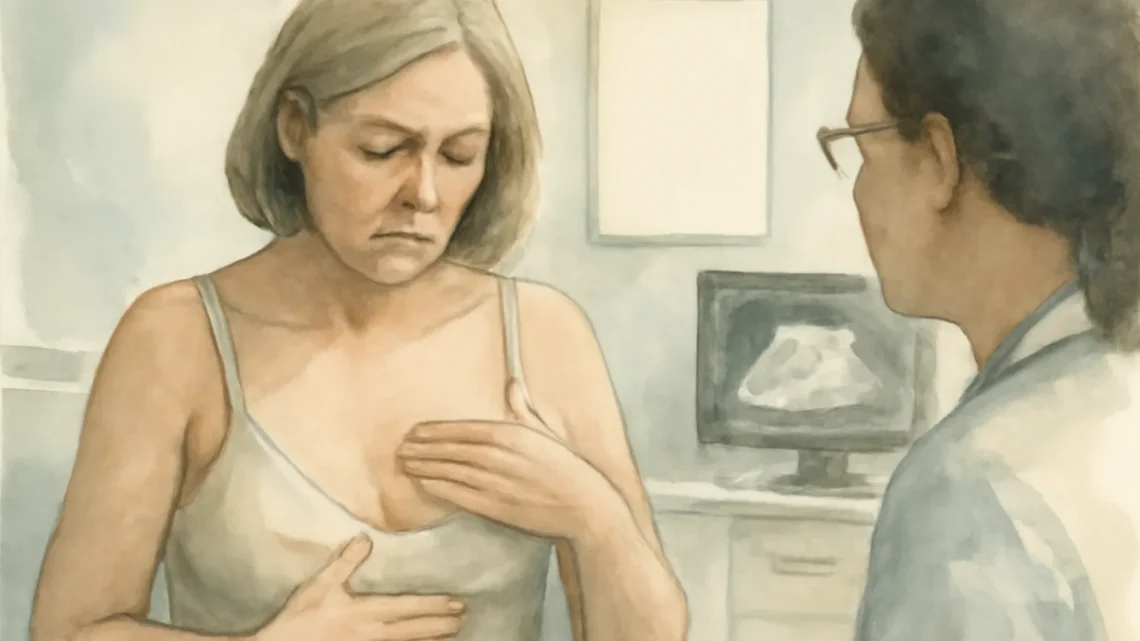
Study Examines Patient Views on Breast Surgery Scar Placement
June 8, 2026New research explores the impact of scar patterns after breast-conserving surgery
A recent study conducted by Leeds Teaching Hospitals NHS Trust investigates how patients perceive scar placement following breast-conserving surgery, also known as lumpectomy. The research focuses on understanding patient-reported outcomes in relation to different surgical scar patterns, aiming to assess their effects on appearance, physical function, pain, quality of life, and overall satisfaction.
Background and Purpose of the Study
Lumpectomy is a surgical procedure used to treat breast cancer by removing the tumour along with a margin of healthy breast tissue. The technique preserves most of the breast but results in scarring, which can vary depending on several factors. These include the location and size of the cancer, the quality of the skin, the shape of the breast, and any underlying medical conditions affecting the patient.
The study titled “Comparison of patient reported and clinical outcome measures based on scar placement in patients undergoing breast-conserving surgery (PROM-S Study)” seeks to evaluate how different scar patterns influence patient perceptions and clinical outcomes. This includes assessing the impact on physical function, pain levels, aesthetic appearance, and quality of life after surgery.
Research Team and Funding
- Lead Researcher: Dr Sue Hartup
- Co-Researchers: Mr Baek Kim, Mr Wasim Tahir, Mr Brian Hogan, Mr Thomas Hubbard, Ms Clare Robertson, Ms Amy Burkinshaw
- Host Organisation: Leeds Teaching Hospitals NHS Trust
- Grant Amount: £9,981.50
Study Significance
By comparing patient-reported outcomes with clinical measures, the study aims to provide valuable insights into how scar placement affects patients’ post-operative experience. Understanding these factors may help inform surgical decision-making and improve patient care in breast cancer treatment.
The research highlights the importance of considering both clinical results and patient perspectives when evaluating surgical techniques and outcomes.
For further details, the original information can be found on the Leeds Hospitals Charity website: Leeds Hospitals Charity.