History and Legacy of Leeds’ City Varieties Music Hall
May 16, 2026Exploring the Origins of Music Hall Entertainment
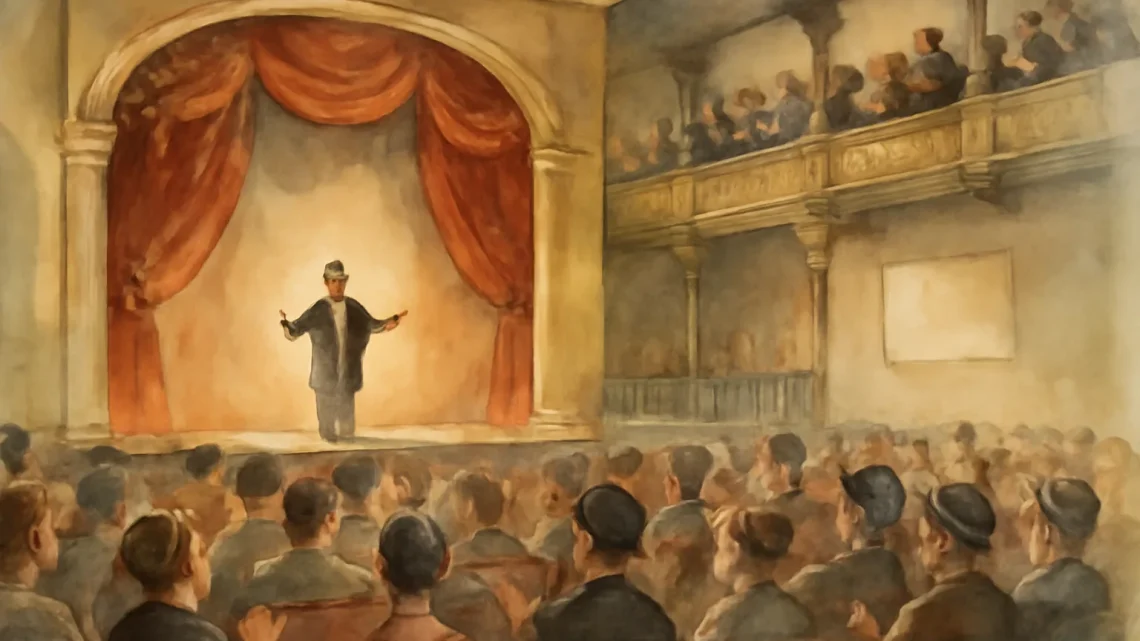
Saturday 16 May 2026 marks Music Hall and Variety Day, an occasion that highlights the rich heritage of Leeds’ City Varieties Music Hall, known as the nation’s longest-running music hall. The venue’s history reflects the evolution of popular entertainment in Britain, originating from informal social gatherings to the structured theatres we recognise today.
City Varieties Music Hall began as a simple room above The Swan Inn in 1766, initially serving as a ‘singing room’ where patrons could enjoy informal performances. These song-and-supper rooms emerged in the 19th century as a form of entertainment distinct from the more formal theatre experiences enjoyed by the upper classes. They encouraged a lively atmosphere where the boundary between audience and performer was often blurred.
The 1843 Theatres Act played a significant role in this transition by allowing local authorities greater freedom to license theatres under less restrictive conditions. This legislative change enabled Charles Thornton to renovate the original singing room, reopening it in 1865 as Thornton’s New Music Hall and Fashionable Lounge, marking the beginning of the venue’s transformation into a more formal theatre space.
Iconic Songs and Performers of The Good Old Days
The music hall tradition is closely associated with singalongs and popular songs that have endured through the decades. Songs such as “Down At The Old Bull And Bush,” “Where Did You Get That Hat,” and “I Do Like to Be Beside the Seaside” remain well-known examples of this era’s repertoire.
- “Down At The Old Bull And Bush” originated from a 1903 song produced by the Anheuser-Busch brewing company, later adapted by variety artist Florrie Forde, who performed at City Varieties Music Hall’s first Good Old Days event in 1953.
- “Where Did You Get That Hat” was first performed in New York in 1888 and became popular in British music halls through performers such as George Robey, who appeared at the Empire Theatre in Leeds.
- “I Do Like to Be Beside the Seaside” was popularised by Mark Sheridan, a performer familiar with City Varieties Music Hall, who recorded the song in 1909. The song reflects the growing trend of seaside holidays among the working class, facilitated by expanding railway travel in the late 19th century.
Upcoming Events and Preservation Efforts
Continuing the tradition of music hall entertainment, variety performer Jan Hunt is set to return to City Varieties Music Hall in September 2026 with a show titled The Magnificent Music Hall. The event aims to celebrate the golden age of traditional music hall and variety performance, featuring song, dance, magic, and comedy.
Efforts to preserve the historic venue are ongoing. The City Varieties Music Hall Building Fund seeks donations to maintain and improve the theatre, ensuring its accessibility, sustainability, and comfort for future audiences.
Further Information
For more details about the history of City Varieties Music Hall, upcoming events, and preservation initiatives, visit the Leeds Heritage Theatres website.