New Radiotherapy Technology Aims to Improve Children’s Treatment
February 19, 2026Annabelle’s experience highlights challenges in paediatric radiotherapy
Eleven-year-old Annabelle from Chesterfield was diagnosed with a rare brain and spine tumour last year, leading to a complex course of treatment involving radiotherapy at Leeds Cancer Centre. Her story illustrates the difficulties faced by children undergoing radiotherapy and the potential benefits of new technology designed to improve their experience.
Diagnosis and treatment journey
Annabelle began experiencing severe back pain in April, which rapidly worsened to the point where she could no longer sit, stand, or lie down without significant discomfort. After initial assessment at a local hospital, she was transferred to Sheffield Children’s Hospital for specialist tests. There, doctors diagnosed her with Ependymoma, a rare tumour affecting the brain and spine.
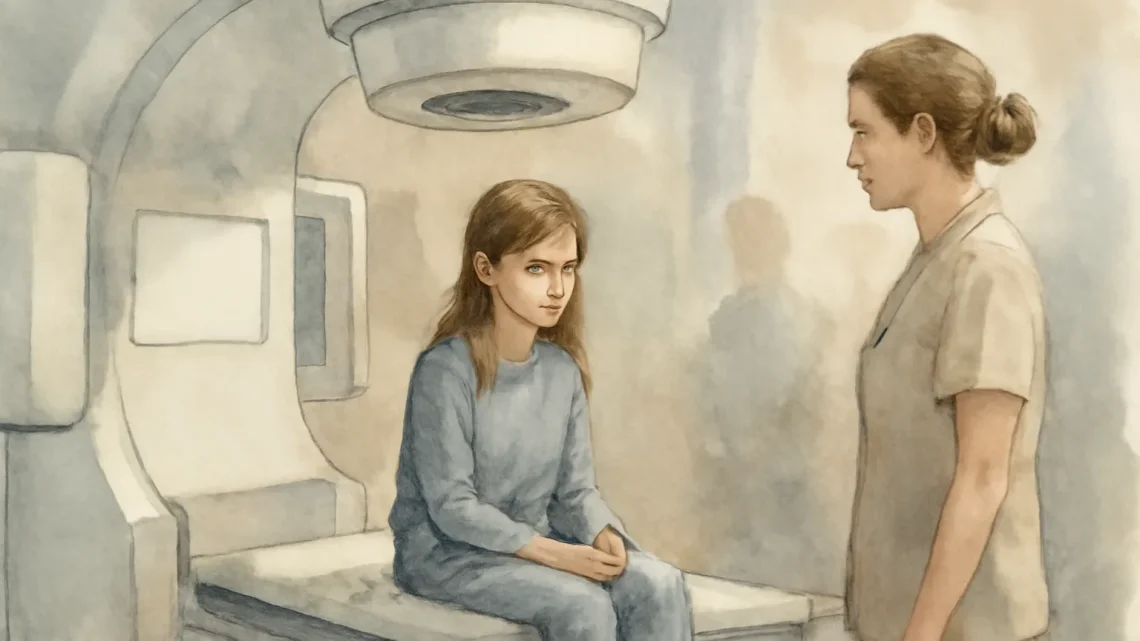
Following urgent surgery to remove the tumour, Annabelle was referred to Leeds Cancer Centre for a six-week course of radiotherapy. Due to the complexity of her treatment, she was required to wear a full-face immobilisation mask during each radiotherapy session. This mask is used to keep patients perfectly still to ensure the precise delivery of radiation.
Challenges of current radiotherapy methods
The use of immobilisation masks can be distressing, especially for children, as they must remain still and often feel confined during treatment. This can cause anxiety and discomfort, potentially impacting the overall treatment experience and cooperation.
Potential of Surface Guided Radiotherapy (SGRT)
Leeds Cancer Centre is exploring the use of Surface Guided Radiotherapy (SGRT) technology, which could transform the radiotherapy experience for children like Annabelle. SGRT uses advanced surface imaging to monitor patient movement in real-time without the need for immobilisation masks.
- Allows patients to remain more comfortable during treatment
- Reduces the need for restrictive masks or other immobilisation devices
- Improves accuracy by tracking patient position continuously
- May decrease anxiety and improve overall patient experience
This technology has the potential to make radiotherapy less intimidating and more tolerable for paediatric patients, although further evaluation and implementation are ongoing.
Additional information
For more details on Annabelle’s story and the use of SGRT technology, a video is available on the Leeds Hospitals Charity website and their official YouTube channel.
Source: Leeds Hospitals Charity