New Study to Improve Liver Transplant Outcomes for Cancer Patients
March 25, 2026A new research project based at Leeds Teaching Hospitals NHS Trust aims to investigate methods to reduce cancer recurrence following liver transplants in patients with hepatocellular carcinoma (HCC), a primary form of liver cancer.
Background on Hepatocellular Carcinoma and Liver Transplants
Hepatocellular carcinoma is an increasingly common reason for patients to require liver transplantation. Despite advances in treatment, around 15% of patients experience a recurrence of the cancer after receiving a liver transplant. This recurrence poses significant challenges for patient outcomes and long-term survival.
The HOPE Technique
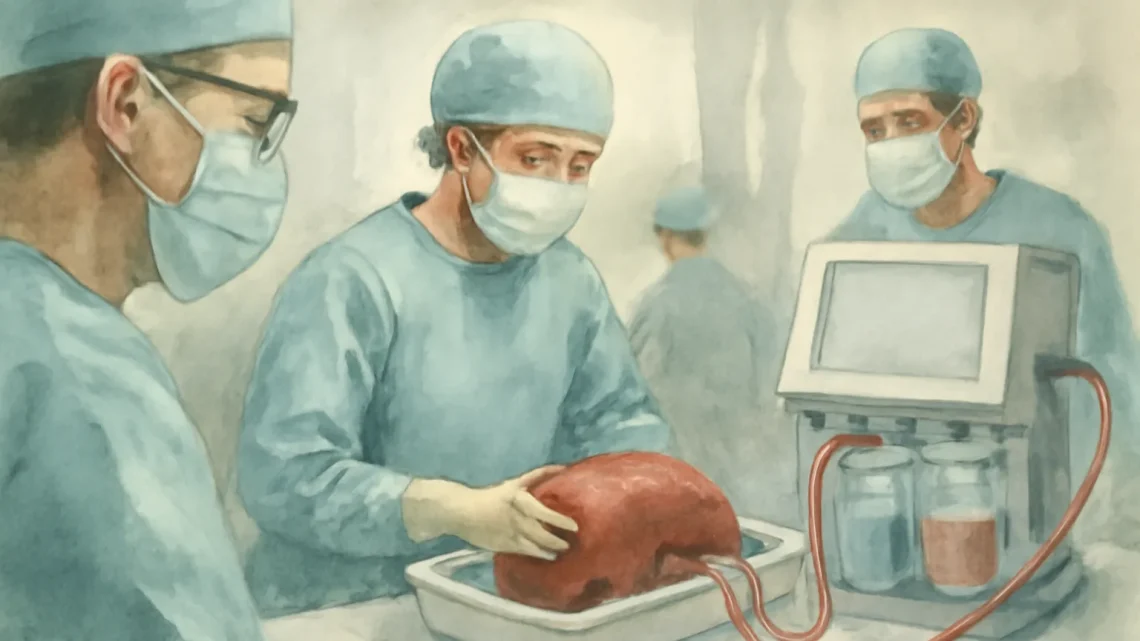
The study will focus on a technique known as hypothermic oxygenated perfusion (HOPE). HOPE involves delivering oxygen and nutrients to donor livers before transplantation, with the goal of improving the quality of the liver graft. This method contrasts with the standard approach of static cold storage, where the organ is preserved without active oxygenation.
Study Objectives and Details
- The primary aim is to demonstrate whether using HOPE improves post-transplant outcomes compared to standard preservation methods.
- The research is led by Dr Barbara Fiore, Consultant Surgeon at Leeds Teaching Hospitals NHS Trust.
- The project is scheduled to start on 1 January 2025 and is expected to run for 36 months.
- The study has received a grant of £3,700 to support its activities.
Potential Impact
If successful, the study could contribute to reducing cancer recurrence rates after liver transplantation, potentially improving survival and quality of life for patients with hepatocellular carcinoma. It also aligns with broader efforts to address health inequalities in cancer care.
For more information, visit the Leeds Hospitals Charity website.