Pioneering Engineman Key to Early Railway Development
January 5, 2026Discovery of Gravestone Sheds Light on Robert Morrow’s Role
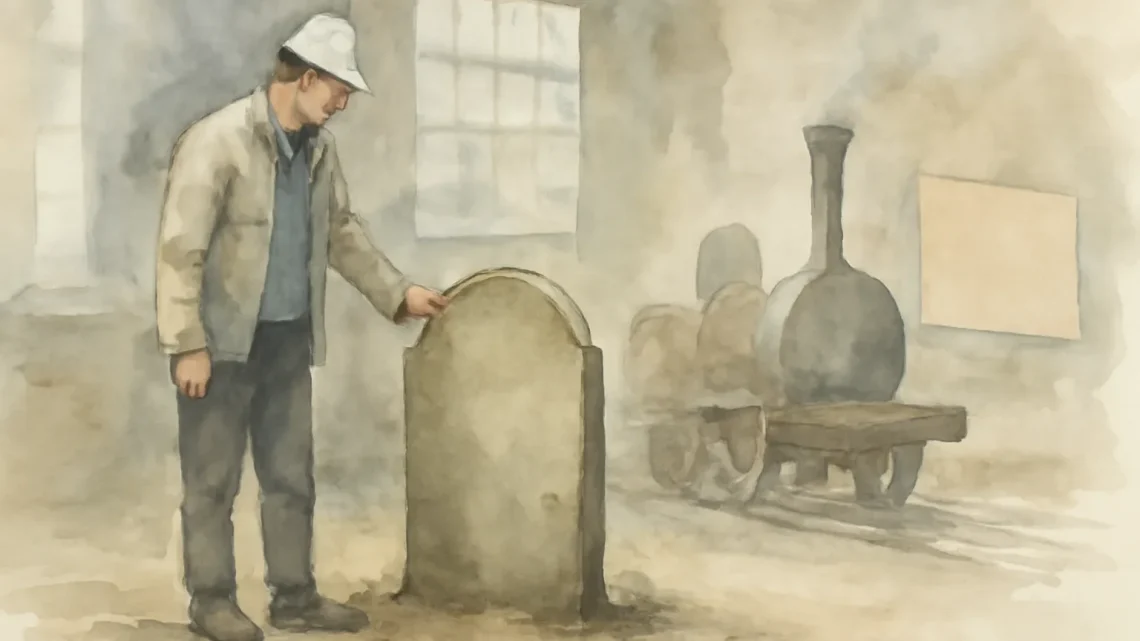
During renovation work at Leeds Industrial Museum, curators uncovered the gravestone of Robert Morrow, a 19th-century locomotive driver who played a significant part in the early days of the Stockton and Darlington Railway. This discovery has prompted further research into Morrow’s contributions to the development of the world’s first steam-powered railway carrying both goods and passengers.
Robert Morrow and the Stockton and Darlington Railway
The Stockton and Darlington Railway, which opened in 1825, was the first railway to operate steam locomotives for both freight and passenger services. It marked the beginning of a global railway revolution, with its success encouraging the rapid expansion of railways across the UK and internationally.
Records reveal that Robert Morrow, known as “Auld Robert,” was among the first drivers of the railway’s early engines. He was responsible for operating Locomotive Number 2, named Hope. Morrow worked alongside James Stephenson, brother of George Stephenson, the line’s chief engineer and a prominent figure in railway engineering.
Challenges Faced by Early Railway Drivers
Life as an early railway driver was demanding and hazardous. Drivers like Morrow were required to cover expenses such as staff wages, coal, and oil from their own earnings. They frequently encountered maintenance problems and workplace accidents due to the experimental nature of the locomotives and the infancy of the railway industry.
Despite these challenges, the railway quickly gained popularity. Between July 1826 and June 1827, it transported between 30,000 and 40,000 passengers, demonstrating the growing importance of rail transport.
Legacy and Commemoration
- Robert Morrow died in 1862 at Armley Hall, the home of his son-in-law Thomas Ambrose.
- He was buried at New Bethel Chapel in New Wortley, Leeds.
- His gravestone, featuring an inscription noting his role in opening the Stockton and Darlington Railway, was acquired by a museum curator in 1993.
- The museum is currently refurbishing its locomotive gallery to prominently display Morrow’s headstone alongside historic engines, including Leeds-built locomotives Junin and Aldwyth.
Comments from Leeds Museums and Galleries
John McGoldrick, curator of industrial history at Leeds Museums and Galleries, highlighted the importance of recognising figures like Robert Morrow who contributed to the foundations of the railway industry. He noted that while some railway pioneers are well known, others such as Morrow played crucial roles that deserve acknowledgement.
Councillor Salma Arif, executive member for adult social care, active lifestyles and culture at Leeds City Council, emphasised Leeds’s historical significance in various industries and the value of commemorating individuals who helped drive innovation.
About Leeds Industrial Museum
Leeds Industrial Museum, located at Armley Mills, was once the world’s largest woollen mill. It now houses a collection of vintage machinery and exhibits that reflect the city’s industrial heritage. For more information on opening hours and entry fees, visit the Leeds Industrial Museum website.