Play Team Supports Young Cancer Patient Through Treatment
October 5, 2026Helping Jenson Understand His Diagnosis and Care
In February, four-year-old Jenson from Bradford was diagnosed with B-cell lymphoblastic leukaemia, a fast-growing form of blood cancer. Initially thought to have a virus, Jenson’s mother Georgia was given the distressing news following medical investigations. The family was transferred from their local hospital to Leeds Children’s Hospital to receive specialist treatment.
Jenson spent two weeks in hospital undergoing various tests and emergency care before beginning a long-term chemotherapy regimen expected to last two and a half years. Prior to his diagnosis, Jenson attended nursery full-time and enjoyed playing with his friends daily. His treatment has since involved extended hospital stays and challenging medical procedures.
Impact of Treatment on Jenson
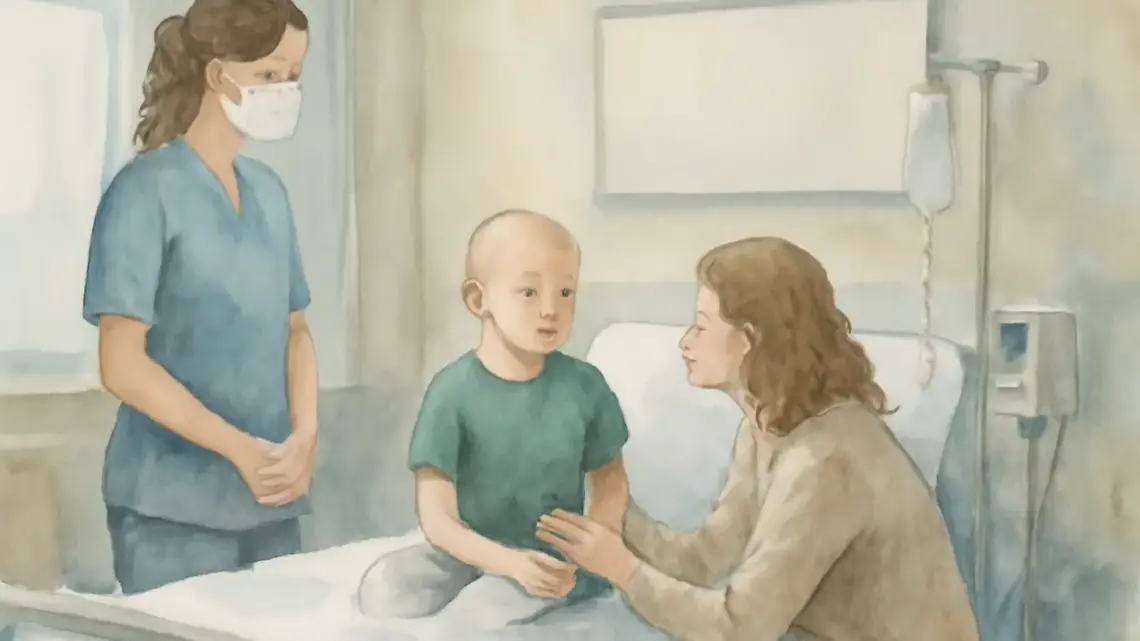
Following the first four weeks of intensive steroids and chemotherapy, Jenson experienced physical changes including weight gain and hair loss. These changes affected his self-confidence, with Georgia noting that he became reluctant to look in the mirror.
The Role of the Play Team
Leeds Children’s Hospital’s Play Team has been involved in supporting Jenson during his treatment. The team aims to help young patients understand their care and cope with the hospital environment through age-appropriate activities and explanations.
- Providing emotional support during hospital stays
- Helping children understand medical procedures
- Encouraging play and normal activities to aid coping
Such support is considered important in helping children like Jenson maintain a sense of normality and confidence during difficult treatment periods.
Looking Ahead
Jenson will continue his chemotherapy over the coming years, with ongoing support from the hospital’s multidisciplinary team, including the Play Team. The family remains hopeful for his recovery and adjustment to life during and after treatment.