Study to Track Long-Term Effects of Childhood Blood Disorders
January 20, 2026New research aims to understand impacts of sickle cell disease and beta thalassemia
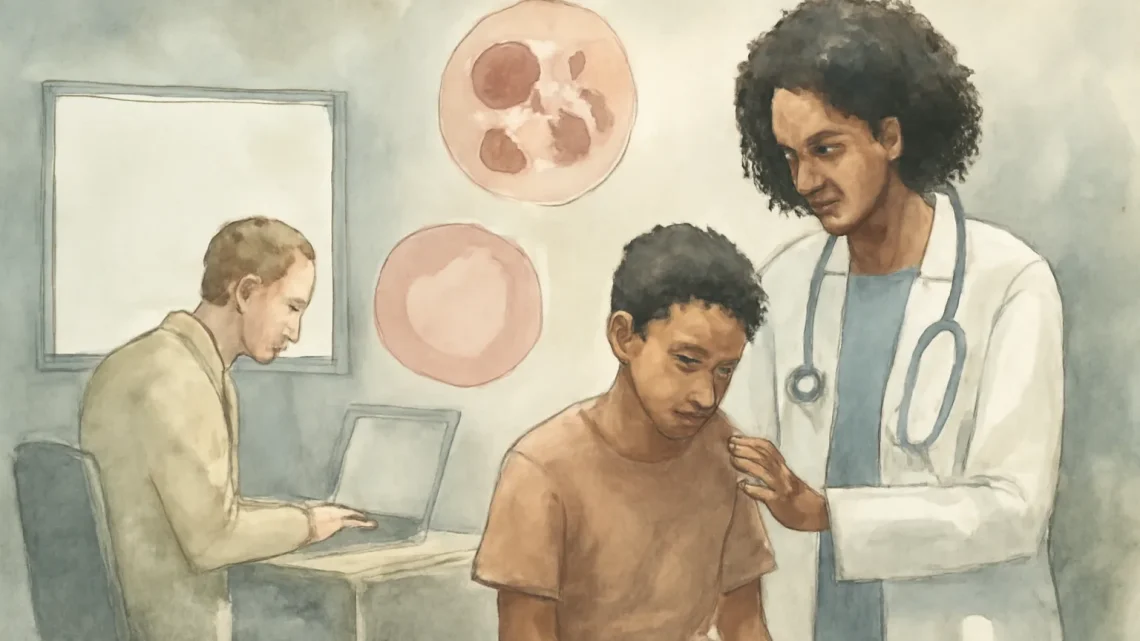
A major study funded by donations will investigate the long-term effects of childhood blood disorders, including sickle cell disease, beta thalassemia, and acute leukemias. The Haematology Lived Experience and Outcomes (HALO) study will link health records across England and survey patients to gain a clearer picture of how these conditions affect individuals into adulthood.
Scope and significance of the study
In the UK, approximately 17,500 people live with sickle cell disease, while around 1,100 are affected by beta thalassemia. Both conditions impact red blood cells, causing anaemia and reducing the blood’s ability to carry oxygen, which often leads to chronic fatigue. The study aims to better understand patients’ lived experiences to improve treatment approaches and address health inequalities.
Details of the conditions
- Sickle cell disease: Can cause severe pain episodes, stroke, and an increased risk of infection.
- Beta thalassemia: Associated with poor growth and fatigue.
Both are chronic disorders with a limited life expectancy. Management strategies include regular blood transfusions and, in some cases, stem cell transplants.
Research goals
The HALO study will:
- Link patient records across England to track health outcomes over time.
- Survey patients to capture their experiences living with these conditions.
- Provide data that could inform improvements in treatment and healthcare services.
- Help reduce disparities in health outcomes among affected populations.
Understanding the long-term impacts of these blood disorders is considered vital by researchers, as it may lead to better support and care for patients throughout their lives.
Source: Leeds Hospitals Charity