Tree of Hope Planted at Rob Burrow Centre for MND
December 1, 2025New sycamore sapling planted to mark legacy of felled tree
The Rob Burrow Centre for Motor Neurone Disease (MND) has become one of the first recipients of a sycamore sapling from the National Trust’s ‘Tree of Hope’ initiative. This project was launched last September to find new homes for 49 saplings grown from the seeds of the illegally felled Sycamore Gap tree, an iconic landmark in the UK.
Background to the Tree of Hope initiative
The Sycamore Gap tree, which stood at 49 feet tall before it was felled, was a well-known natural feature. Following its illegal felling, the National Trust collected seeds from the tree to grow new saplings. The ‘Tree of Hope’ project received nearly 500 applications for the 49 saplings available, with each sapling representing one foot of the original tree’s height.
- The saplings are currently between 4 and 6 feet tall.
- They have been nurtured at the National Trust’s Plant Conservation Centre.
- All saplings will be planted in publicly accessible locations across the UK.
Planting at the Rob Burrow Centre
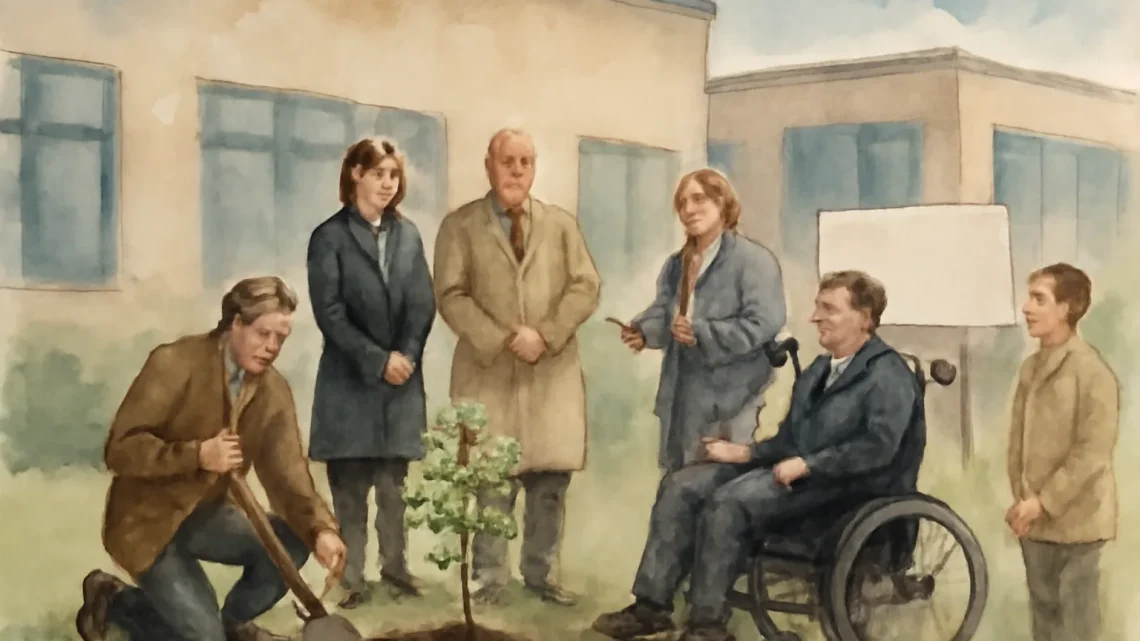
The Rob Burrow Centre for MND was nominated to receive one of the saplings by Ian Flatt, a patient living with motor neurone disease. Ian, together with his family, was invited to the centre to officially plant the tree. The event symbolises hope and connection for those affected by MND, linking the legacy of the Sycamore Gap tree with the ongoing work at the centre.
The planting ceremony was attended by clinical staff and representatives from the National Trust, highlighting the importance of community involvement and support for people living with MND.
Significance of the initiative
The ‘Tree of Hope’ project aims to ensure that the memory of the Sycamore Gap tree continues to inspire and provide comfort to communities across the UK. By planting the saplings in accessible public spaces, the National Trust hopes to create living memorials that people can visit and reflect upon.
For the Rob Burrow Centre, the sapling represents a symbol of resilience and hope for patients and their families facing the challenges of motor neurone disease.
Source: Leeds Hospitals Charity