New Neighbourhood Improvement Programme Proposed in Leeds
September 9, 2026Leeds City Council to discuss community-led initiative
Plans for a new neighbourhood-led improvement programme aimed at enhancing local communities across Leeds are set to be considered by senior councillors next week. The proposals outline a collaborative approach involving council teams, local partners, and residents working together to address priorities in all 33 wards of the city.
Programme objectives and approach
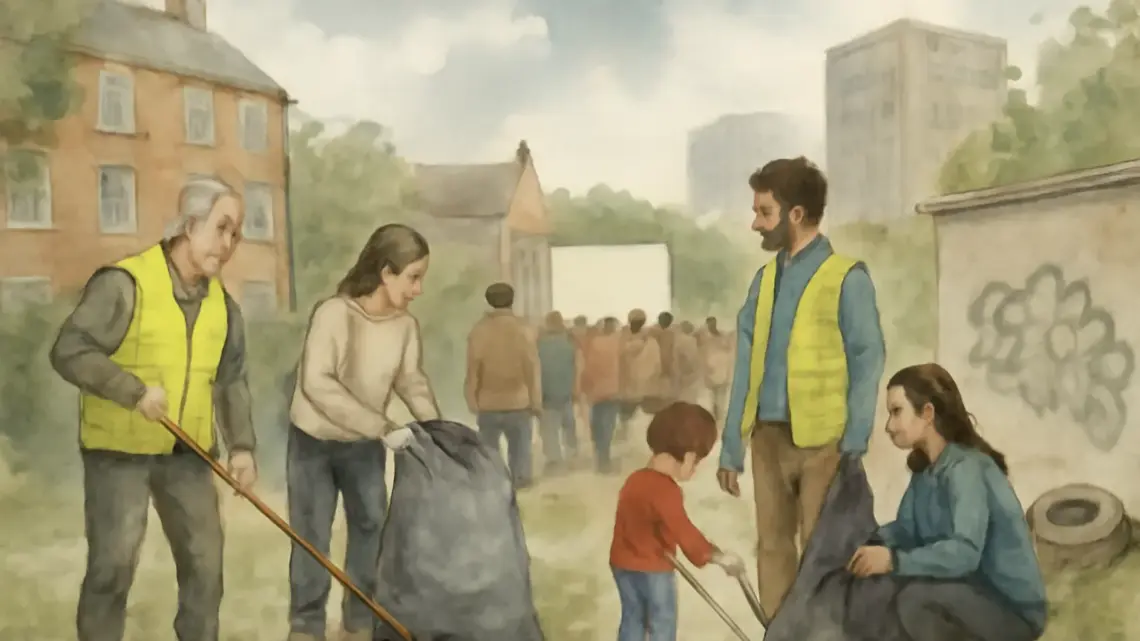
The proposed programme focuses on practical improvements such as street cleaning, removal of fly-tipped rubbish, and graffiti clearance. It is designed to be guided by residents’ priorities and to strengthen partnerships between the council, health services, West Yorkshire Police, third sector organisations, and local communities.
The initiative is intended to empower residents to shape plans and make decisions about improvements in their neighbourhoods. This community-led approach reflects the council’s ‘#TeamLeeds’ ethos, aiming to build on existing relationships and provide a long-term foundation for integrated working across the city.
Phased operating model
The programme would operate on a rolling cycle consisting of four phases:
- Phase 1: Creation of profiles analysing the existing provision and demographic make-up of each ward.
- Phase 2: Community engagement and consultation to gather views from residents of all ages, leading to the development of resident-led action plans.
- Phase 3: Coordinated delivery of improvement works supported by council services and partners.
- Phase 4: Ensuring sustainability of improvements through achievable longer-term plans and regular progress reviews.
Services and partners involved
Council services expected to be directly involved include Housing Leeds, parks and green spaces, highways, Leeds Anti-Social Behaviour Team (LASBT), public health, Active Leeds, community hubs, waste management, jobs and skills, and volunteering. Partners include West Yorkshire Police and third sector organisations.
Strategic context and next steps
The programme aligns with wider Leeds Ambitions to tackle inequality by improving health outcomes, supporting community growth, and strengthening resilience across the city. If approved by the council’s executive board at the meeting on 16 September, the programme is expected to commence in October 2026.
Further details, including a dedicated name and identity for the programme, will be provided following the executive board’s decision. The report to be considered is available as agenda item 11 on the Leeds City Council website under Council and democracy.