Stroke Survivor’s Experience Highlights Importance of Research
October 5, 2026Martin’s Stroke and Treatment Journey
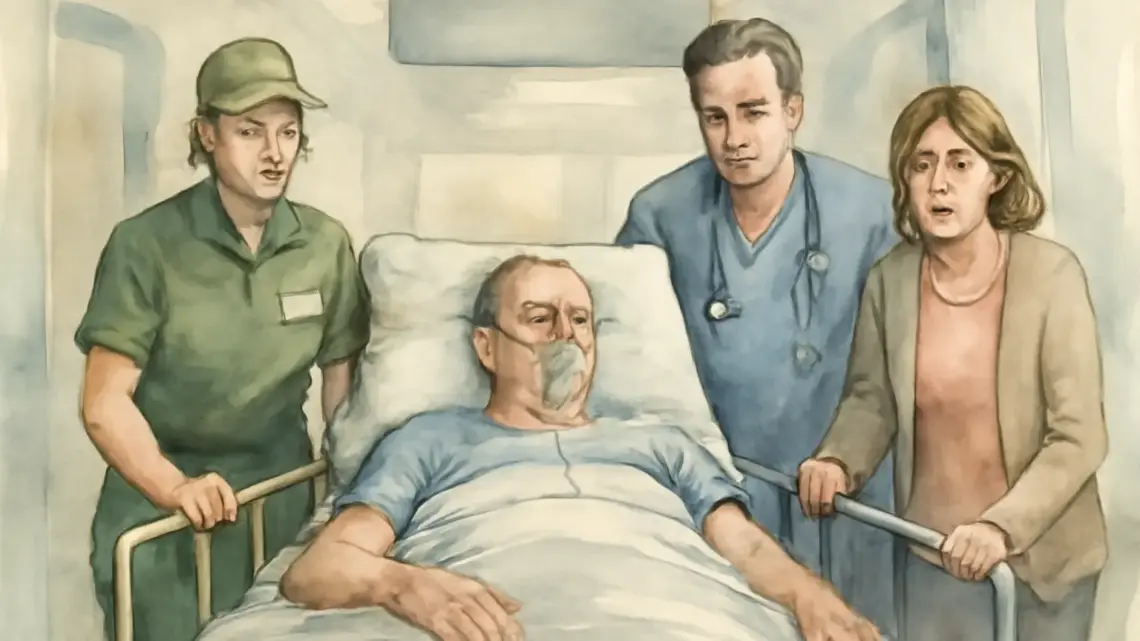
In February 2023, 60-year-old Martin experienced a stroke shortly after playing walking football and having lunch with his wife, Joanne. The stroke occurred while they were moving bedroom furniture, when Martin suddenly found himself unable to speak. Joanne immediately called for an ambulance, and Martin was taken to Leeds Teaching Hospitals NHS Trust.
At the hospital, Martin underwent a thrombectomy, a procedure to remove a blood clot from his brain. This life-saving operation is notable for being available at only two hospitals in the UK. The operation lasted approximately two and a half hours.
Recovery and Support
Following the thrombectomy, Martin spent 10 days in hospital, including two days in intensive care. During his stay, he received speech and language therapy to address aphasia and apraxia, conditions that affected his ability to communicate. Aphasia is a language disorder commonly seen after strokes, impacting the use of words and communication skills.
Research and Rehabilitation
Martin’s story underscores the importance of ongoing research and investment in stroke recovery. Support from specialised therapies plays a crucial role in helping stroke survivors regain communication and other essential functions.
Key Points
- Martin had a stroke in February 2023 after playing walking football.
- He was treated with a thrombectomy at Leeds Teaching Hospitals NHS Trust.
- The operation is a specialised procedure available in only two UK hospitals.
- Post-operation, Martin received speech and language therapy for aphasia and apraxia.
- His experience highlights the need for continued research into stroke recovery.
Source: Leeds Hospitals Charity